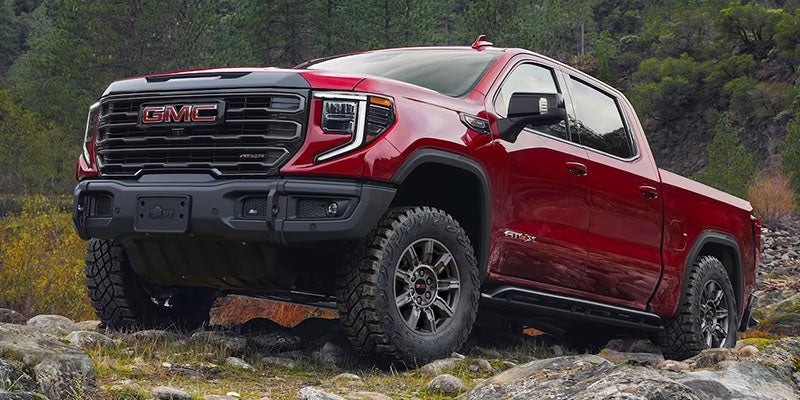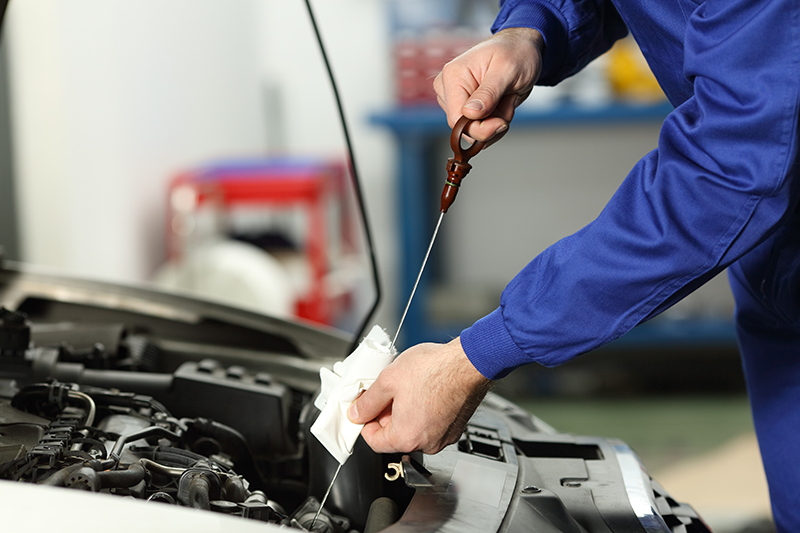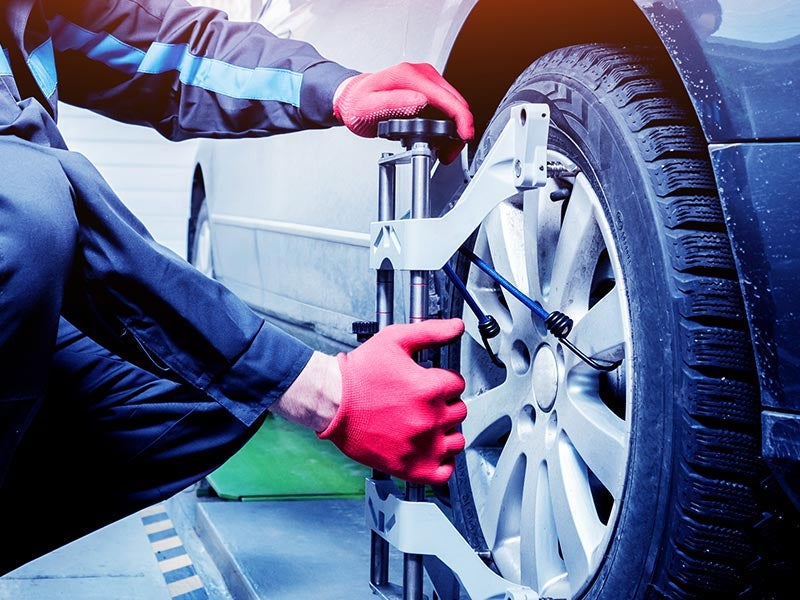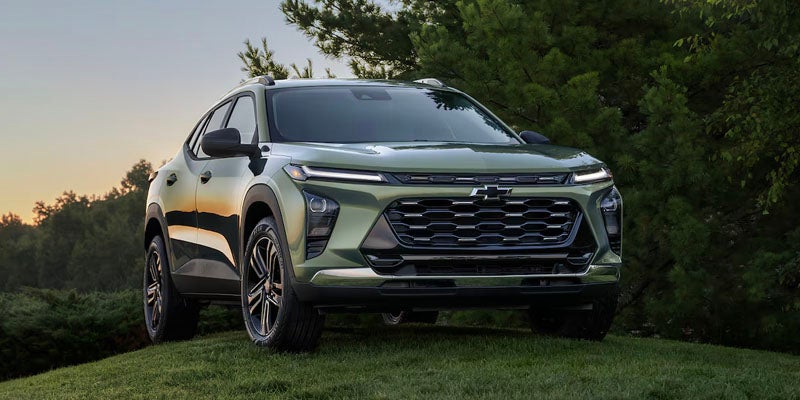




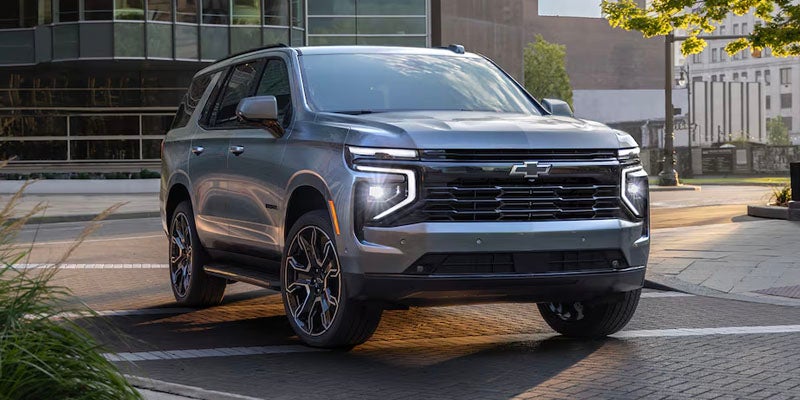
Regular vehicle maintenance is crucial for keeping your Chevrolet or GMC running efficiently and reliably for years to come. Whether you drive a Chevrolet Silverado, GMC Sierra, or any other model, ensuring that your car, truck, or SUV receives consistent upkeep will improve performance, safety, and longevity. Below is a guide to the key aspects of routine maintenance, helping you stay on top of your vehicle’s needs and avoid unexpected repairs. Why Regular Maintenance Is Important Routine maintenance is essential for maintaining the health of your vehicle and protecting your investment. Regular checks can prevent small issues from turning into major problems, which can be more expensive to repair. It also improves fuel efficiency, reduces the risk of breakdowns, and ensures that your vehicle remains safe on the road. Key Maintenance Services for Your Vehicle Oil Changes Frequency: Every 5,000 to 7,500 miles Regular oil changes help ensure that your engine runs smoothly by providing proper lubrication. Fresh oil reduces friction, prevents overheating, and removes contaminants. Always use the oil type recommended for your specific model for optimal performance. Tire Maintenance Frequency: Rotate tires every 6,000 to 8,000 miles Inspection: Check tire pressure monthly Keeping your tires in good condition is vital for safety and handling. Tire rotations help ensure even wear, prolonging their lifespan. Proper tire pressure also improves fuel efficiency and prevents uneven wear. Don't forget to check the tread depth to ensure your tires are safe for driving. Brake System Inspection Frequency: Inspect brakes every 12,000 miles or as needed Your brake system is one of the most critical safety components of your vehicle. Regular inspections help detect worn-out brake pads, low brake fluid, or issues with the rotors. Addressing these early can prevent more costly repairs and ensure your safety on the road. Fluid Levels Frequency: Check every 3,000 miles or during oil changes Ensure that essential fluids such as transmission fluid, brake fluid, power steering fluid, and coolant are at the proper levels. Low fluid levels can lead to poor performance or even engine damage. Regular checks help maintain optimal function. Battery Health Frequency: Test annually Your car’s battery is essential for starting the engine and powering electrical components. Regularly checking the battery's charge and inspecting for corrosion can help you avoid unexpected failures. Replace the battery every 3 to 5 years to prevent issues. Air Filter Replacement Frequency: Every 15,000 to 30,000 miles The air filter prevents dirt, debris, and other particles from entering the engine. A clean air filter improves engine efficiency and performance. A clogged air filter can reduce fuel economy and overall engine power. Timing Belt or Chain Replacement Frequency: Every 60,000 to 100,000 miles (depends on the vehicle) The timing belt or chain ensures that the engine’s valves and pistons are synchronized. If it fails, it can lead to significant engine damage. Replacing the timing belt at the manufacturer-recommended intervals helps avoid this costly issue. Wiper Blade Replacement Frequency: Every 6 to 12 months Visibility is critical for safe driving. Replace your wiper blades when they start showing signs of wear, such as streaking or skipping. It’s also a good idea to clean your windshield regularly to ensure optimal wiper performance. How to Keep Track of Your Maintenance The best way to stay on top of your vehicle’s maintenance needs is to follow a regular service schedule. You can use the owner’s manual for your Chevrolet or GMC to determine when specific services are due. Many vehicles now come equipped with maintenance reminders, but keeping a record of services and setting personal reminders can also help ensure that nothing is overlooked. The Benefits of Professional Service While some maintenance tasks can be handled by yourself, others—especially complex repairs—should be left to professionals. Regular service visits to a certified Chevrolet or GMC dealership ensure that your vehicle is worked on by trained technicians who know your model inside and out. They have access to OEM (original equipment manufacturer) parts, which are designed to keep your vehicle running as it was intended. Regular maintenance is an investment in the longevity and performance of your Chevrolet or GMC. By staying on top of key maintenance tasks like oil changes, tire rotations, and brake inspections, you can enjoy a smoother, more reliable driving experience. If you need help scheduling maintenance or have questions about your vehicle’s specific needs, visit us at Stuteville Chevrolet GMC in Ponca City, OK. We’re here to ensure that your vehicle remains in top condition for years to come.
Blazer vs. Trailblazer: Which Chevrolet SUV Fits Your Lifestyle?
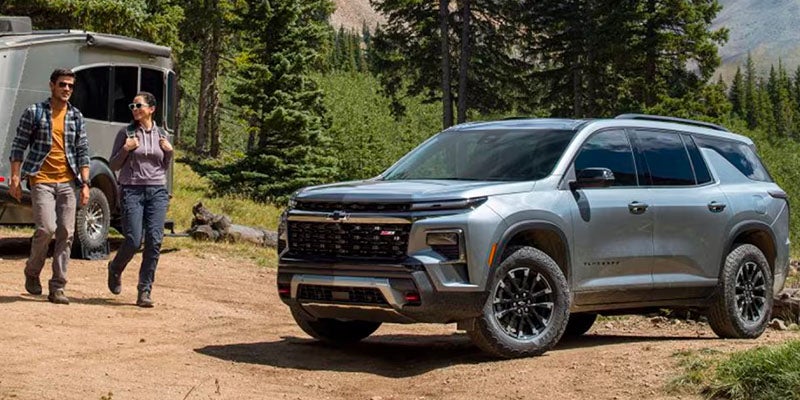
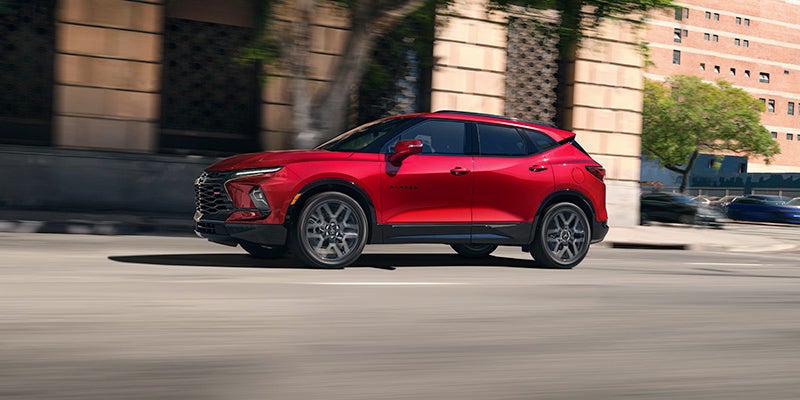
When it comes to choosing the perfect Chevrolet SUV, two popular options often come into play: the Chevrolet Blazer and the Chevrolet Trailblazer. While both vehicles share the Chevrolet brand’s signature style and reliability, they cater to different needs and preferences. To help you decide which one is the best fit for you, let’s take a closer look at the key differences between the Blazer and Trailblazer, focusing on performance, design, features, and overall value. Exterior Design: Bold vs. Sporty Chevrolet Blazer The Blazer exudes a bold and muscular presence with its wide stance, sharp lines, and modern design. It stands out with a more aggressive front end, sleek curves, and an available sportier RS trim. Whether you’re navigating city streets or cruising down highways, the Blazer makes a statement with its dynamic, athletic exterior. Chevrolet Trailblazer The Trailblazer takes on a more compact and sporty look. It’s a smaller SUV with a high stance, making it perfect for drivers who want the versatility of an SUV without the bulk. The Trailblazer’s design is youthful, featuring a more playful appearance with contrasting roof colors and sharp, adventurous lines that make it a standout in the subcompact SUV category. Performance: Power and Efficiency Chevrolet Blazer The Blazer offers two engine options to suit different driving needs. The base engine is a 2.5L 4-cylinder engine that provides a solid balance of power and fuel efficiency. For those seeking more performance, the Blazer also offers a 3.6L V6 engine that delivers impressive horsepower, perfect for towing and highway driving. The available all-wheel drive (AWD) option gives the Blazer enhanced handling in various driving conditions. Chevrolet Trailblazer The Trailblazer, on the other hand, is designed with efficiency in mind. It features a 1.2L turbocharged engine that provides a smooth and economical driving experience. Additionally, there’s a more powerful 1.3L turbocharged engine option for those who want a little more pep on the road. The Trailblazer is also available with AWD, offering the capability to tackle light off-road adventures, but it’s primarily built for urban and suburban driving. Interior Features: Comfort and Technology Chevrolet Blazer Inside, the Blazer offers a spacious and comfortable cabin, with room for five passengers. Higher trims like the Premier and RS come with luxurious touches, including leather seating, a customizable 8-inch touchscreen, and advanced tech features like Apple CarPlay and Android Auto. The Blazer also features ample cargo space, making it perfect for long trips or family outings. Chevrolet Trailblazer The Trailblazer is designed with a more compact interior, but it still manages to offer comfort for passengers and efficient use of space. With seating for five and a practical 60/40 split-folding rear seat configuration, it provides ample cargo space for its size. The interior is tech-forward, with a standard 7-inch touchscreen (or available 8-inch on higher trims), and features like wireless Apple CarPlay, Android Auto, and a Wi-Fi hotspot. Towing and Utility: Capability vs. Efficiency Chevrolet Blazer The Blazer excels in towing, with a max towing capacity of up to 4,500 pounds when equipped with the V6 engine. This makes it a great choice for those who need a vehicle that can tow boats, trailers, or other heavy loads. With its spacious interior and powerful engine options, the Blazer is designed to handle both everyday commuting and tough tasks like hauling. Chevrolet Trailblazer The Trailblazer is not built for heavy towing, but it still offers utility for smaller loads. With a towing capacity of up to 1,000 pounds, it is well-suited for light-duty tasks like hauling small trailers or recreational equipment. Its compact size and efficient engine make it ideal for city driving and weekend getaways. Safety and Driver Assistance: Protection for You and Your Family Both the Blazer and Trailblazer come with a comprehensive suite of safety features, providing peace of mind for drivers and passengers alike. Chevrolet Blazer Standard safety features on the Blazer include Chevy Safety Assist, which offers a variety of advanced driver assistance systems, such as Automatic Emergency Braking, Lane Keep Assist with Lane Departure Warning, Forward Collision Alert, and more. Higher trims add even more premium safety features, such as Rear Park Assist and Surround Vision. Chevrolet Trailblazer The Trailblazer comes equipped with similar safety features, including standard Chevy Safety Assist. The compact SUV also includes other helpful systems like Rear Cross Traffic Alert, Lane Change Alert, and Teen Driver technology, making it a great choice for families with young drivers. Which Chevrolet SUV is Right for You? Choose the Chevrolet Blazer if you: Need a larger SUV with more powerful engine options. Want a vehicle that offers both performance and style. Require higher towing capacity and more cargo space for family trips or recreational activities. Choose the Chevrolet Trailblazer if you: Prefer a more compact, fuel-efficient SUV. Want a sporty, city-friendly vehicle that’s easy to maneuver. Don’t require heavy towing capacity but still need a versatile vehicle for light adventures. Conclusion Both the Chevrolet Blazer and Chevrolet Trailblazer offer exceptional value in their respective categories. The Blazer shines with its bold design, powerful engine options, and ample towing capacity, while the Trailblazer offers efficiency, compact size, and modern features for drivers who prioritize practicality and ease of use. Whether you need a larger, more powerful SUV or a compact, sporty vehicle, both models deliver on Chevrolet’s promise of reliability, comfort, and technology.